Window tinting cost in Florida in 2026 falls between $130 and $1,100 for a full vehicle, depending on film type and vehicle size. That range comes from published price pages across Florida shops. Dyed film sits at the low end, carbon in the middle, and ceramic at the top. Dark Matter Window Tint serves Polk and Lake Counties from Davenport and prices each vehicle individually.
Every figure in this guide is a planning range, not a statewide average or a quote.
| Film Type | Published Full-Vehicle Range | Price Position |
|---|---|---|
| Dyed | $130 to $500 | Lowest upfront cost |
| Carbon | $200 to $750 | Mid-range |
| Ceramic | $300 to $1,100 | Highest upfront cost |
Ranges are drawn from published Florida price pages from 2025 and 2026. Sedans sit near the bottom of each range and pickups near the top.
Table of Contents
What Is the Difference Between Film Cost and Total Installed Cost?
Film is only one line in a tint bill. Labor, shop overhead, glass preparation, and warranty support make up the rest. A roll price alone cannot predict the final invoice.
On its Davenport window tinting page, Dark Matter Window Tint notes that curved back glass takes more fitting time. Pricing depends on the vehicle, window count, glass shape, coverage area, and film choice. Installers cut and shape each piece to fit the glass, so skilled labor is a real cost on every job.
A low film price can still produce a high final total. Two quotes compare fairly only when both list the same coverage, film line, and shade percentage.
How Do Sedans, Coupes, SUVs, and Trucks Change Tint Pricing?
Larger vehicles need more film and more labor, so prices climb with glass area. Sedans and coupes typically cost least. SUVs, trucks, and vans run higher.
The table below shows full-coverage price ranges by vehicle class and film type.
| Vehicle | Dyed | Carbon | Ceramic |
|---|---|---|---|
| Sedan | $200 to $350 | $350 to $500 | $500 to $750 |
| Coupe | $250 to $400 | $400 to $600 | $600 to $850 |
| SUV or crossover | $300 to $450 | $450 to $650 | $650 to $950 |
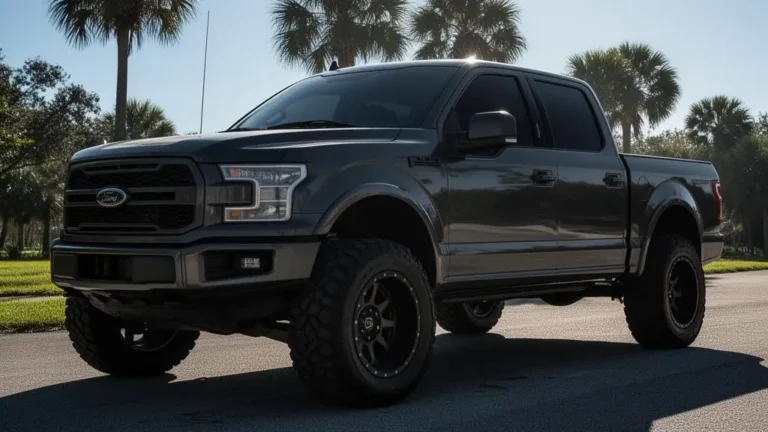
| Pickup truck | $350 to $500 | $500 to $750 | $750 to $1,100 |
Coupes can cost more than sedans because large door glass and sharp curves add fitting time. Extra panes such as quarter windows and third-row glass also push the total higher.
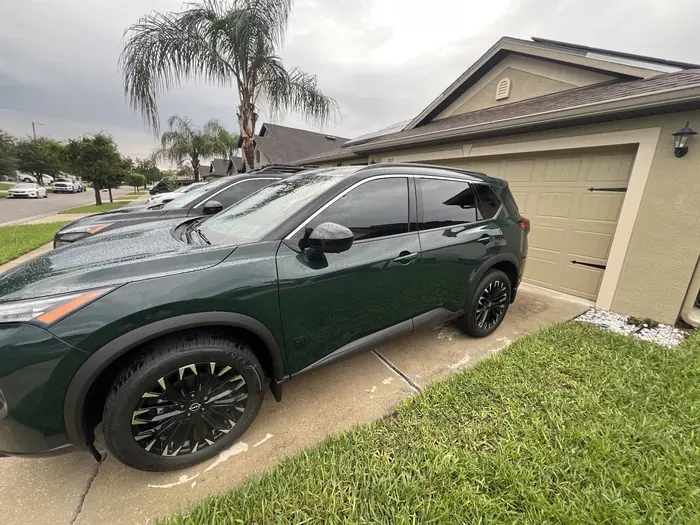
Tesla and other electric vehicle pricing follows the same logic. Costs rise with body size and each additional zone, such as rear glass. Higher heat-rejection films raise the total further.
How Much More Does Ceramic Tint Cost Than Dyed or Carbon?
Ceramic carries the highest upfront price across Florida shops. On the same vehicle class, ceramic runs roughly $100 to $300 above carbon. Dyed film comes in lowest.
Dark Matter Window Tint offers two film lines: Iridium (Ceramic Pro) nano-ceramic and Carbon Matte Series. Both are non-metallic, so phone, GPS, and SunPass signals are not affected. Carbon carries a flat, matte finish. Ceramic is built for heat performance.
Dyed film is the budget tier on most Florida price lists. Customers who want dyed film should confirm availability before booking. The Davenport lineup centers on ceramic and carbon, each priced by vehicle and coverage zone.
What Do Front Windows, Rear Windows, Windshield, and Full-Vehicle Tint Cost?
Tinting only the two front windows is the lowest-cost package. Florida shops typically list $145 to $250 for front windows, with cars at $150 to $175 and SUVs at $175 to $225.
Rear sides and back glass add the most film and labor. Front-two, side-and-rear, visor-strip, and full-vehicle options are all available. Four-door cars run $259 to $389 in standard film and $399 to $599 in ceramic for full coverage.
Florida allows windshield film only as a transparent strip along the top. Full-windshield tint is not a standard offering. Any quote for full windshield tint should explain how that installation remains legal before any deposit is taken.
Want a firm number on film and coverage for a specific vehicle? Call (863) 313-1633 with the year, make, model, and windows to be tinted. Priced estimates for ceramic or carbon tint are available across Polk and Lake Counties, including old-film removal.
What Else Changes Window Tint Prices in Florida?
| Factor | How It Affects the Price |
|---|---|
| Vehicle size | More glass area needs more film and labor |
| Number of windows | Each added window or zone raises the total |
| Film type | Ceramic costs more than carbon or dyed |
| Existing tint | Old film removal adds labor |
| Glass shape | Curved glass takes longer to fit |
| Warranty and installer | Terms and experience vary by shop |
Existing Tint Removal
Old film that is bubbling or turning purple should come off before new tint goes on. The adhesive also needs to be cleaned from the glass, which adds labor time. Removal should appear as its own line on any quote. No reliable statewide removal price exists, so no estimate is given here.
Glass Shape and Vehicle Design
Curved back glass, quarter windows, and large rear hatches all take longer to fit. Vehicle design changes the price even when two vehicles share the same body style. Sharply curved or oversized glass typically brings a higher quote.
Shade, Warranty, and Installer
Darkness mainly affects looks and legality, not price. Warranty terms vary by film line. A lifetime warranty is worth asking about; get coverage, exclusions, and transfer terms in writing before booking.
What Does Florida Law Allow for Window Tint Darkness?
Florida sets limits by window position. Florida Statutes section 316.2953 requires front side windows to allow at least 28 percent visible light. Reflectance on those windows cannot exceed 25 percent.
| Window | Minimum Light Transmittance | Maximum Reflectance | Statute |
|---|---|---|---|
| Front side windows | 28% | 25% | 316.2953 |
| Rear side windows and rear glass, passenger cars | 15% | 35% | 316.2954 |
| Rear side windows and rear glass, multipurpose vehicles | 6% | 35% | 316.2954 |
| Windshield | Top transparent strip only | Not applicable | 316.2952 |
Violations are noncriminal, nonmoving infractions under chapter 318. Florida also issues medical exemption certificates under section 316.29545. Eligible conditions include lupus, autoimmune disease, and others requiring limited light exposure. The state form is HSMV 83390.
The statute pages showed no 2026 amendments as of October 2026, but laws can change. Anyone unsure about a specific vehicle should confirm current rules with FLHSMV or a licensed installer. This section is general information and not legal advice.
How Do Florida Heat, Sun, and Humidity Affect Tint Choices?
Central Florida vehicles sit in strong sun for much of the year. Long commutes on I-4 and US-27 add to the exposure. Drivers in Davenport, ChampionsGate, Clermont, and Lakeland regularly weigh heat comfort against upfront price.
Film makers publish VLT (visible light transmittance), IRR (infrared rejection), and TSER (total solar energy rejected) on spec sheets. TSER is the most useful figure for comparing heat control across films. Higher-performance films cost more upfront, and only a manufacturer spec sheet can support a heat-rejection claim.
Humidity affects the curing period after installation. Keeping windows up for a few days is standard aftercare, and up to five days may be needed in cool, humid weather. Light haze and small water pockets are normal and typically clear within days.
What Should Customers Compare When Reviewing Window Tint Quotes?
A fair comparison starts with identical scope. Every quote should include the same items before any decision is made:
- Film line and brand name, not just a generic “ceramic” label
- Windows included, such as fronts, rear sides, back glass, and visor strip
- Shade percentage for each window, kept within Florida limits
- Old film removal listed as a separate line item
- Written warranty terms covering defects, exclusions, and transfer rights
- Manufacturer spec sheet figures for any heat-rejection claim
- Aftercare and curing instructions
- Final price including all taxes and fees
A quote far below the rest often reflects dyed film or reduced coverage. Asking for the film name and window list usually explains the gap.
Which Tint Option Fits Which Florida Driver?
The table below compares the three common films on cost and key traits.
| Option | Upfront Cost | Notable Traits | Typical Fit |
|---|---|---|---|
| Dyed | Lowest | Basic shade and privacy | Tight budgets and short ownership periods |
| Carbon | Mid-range | Non-metallic, flat matte finish | Drivers wanting a step up in value |
| Ceramic | Highest | Non-metallic, heat-focused | Daily drivers parked in strong sun |
How Should Florida Drivers Budget for Window Tint?
A practical Florida budget runs from about $130 to over $1,000, depending on vehicle and film type. Vehicle size, window count, film choice, old tint removal, and glass shape account for most of the difference.
Each estimate at Dark Matter Window Tint starts from the vehicle’s year, make, and model. The shop’s guide to Florida window tinting laws in 2026 covers the shade limits that apply before any quote is built.
Ready to put real numbers on a ceramic or carbon tint budget? Dark Matter Window Tint serves Polk and Lake Counties from Davenport. Call (863) 313-1633 for a written estimate that lists film, coverage, any old-film removal, and the full price.
Frequently Asked Questions
How much does it cost to tint a whole car in Florida with ceramic film?
Full-vehicle ceramic tint runs roughly $300 to $1,100 across Florida shops. Sedans typically sit at the low end and pickups at the top. Window count, glass shape, film line, and old-film removal all shift the total. A written quote for the exact vehicle gives the only firm number.
Is ceramic window tint worth the extra money in Florida’s heat?
Ceramic film runs $100 to $300 more than carbon on the same vehicle class across Florida shops. Drivers who park in strong sun through a full Florida summer often find the heat comfort worth the premium. Compare manufacturer TSER figures before deciding if the upgrade fits the budget.
What is the cheapest legal way to tint car windows in Florida?
Tinting only the two front windows is the lowest-cost option, typically running about $145 to $250. Front sides must allow at least 28 percent light. Rear glass can go to 15 percent on cars and 6 percent on multipurpose vehicles. Every quote should list each window and its shade.
Does Florida tint pricing change for SUVs and trucks compared with sedans?
Yes. SUVs, trucks, and vans require more film and more labor, so prices consistently run higher than for sedans. Sedan ceramic typically runs $500 to $750, SUV ceramic $650 to $950, and pickup ceramic $750 to $1,100. Every quote should list each window included for a fair comparison.
Does removing old window tint add to the cost in Florida?
Yes. Bubbling or purple film must come off before new tint goes on, and the old adhesive remaining on the glass also adds labor time to the job. Removal should appear as a separate line on every quote before booking. No reliable statewide removal price exists, so no estimate is given here.
Can a windshield be tinted in Florida, and how does it affect the price?
Florida allows windshield film only as a transparent strip along the top. A visor strip is the standard option. A medical exemption certificate can allow more coverage. Any shop quoting full windshield tint should explain how the installation stays legal before taking any deposit.