How long does car window tint last in Central Florida? Published lifespans range from about three years for dyed film to ten years or more for ceramic. Intense sun and humidity can shorten any film, and installation quality matters just as much for long-term durability.
At Dark Matter Tint in Davenport, FL, drivers often ask this question before choosing between ceramic, carbon, and dyed film. This guide compares lifespans by film type, explains what causes failure, and describes what a lifetime warranty should cover. Each section also notes how local conditions change the answer.
Table of Contents
How Long Does Car Window Tint Last?
Published guides place dyed film at three to five years and carbon film at six to ten years. They place ceramic film at eight to ten years or more.
These figures vary between sources, and they assume professional installation and normal care. Manufacturer warranty terms often matter more than any estimate.
| Film Type | Typical Published Range | Common Failure Pattern |
|---|---|---|
| Dyed | 3 to 5 years | Fading and purple discoloration |
| Carbon | 6 to 10 years | Edge lifting or bubbling if the adhesive fails |
| Ceramic | 8 to 10 years or more | Bubbling or peeling if poorly installed |
Ranges come from industry guides and manufacturer statements, not from independent testing by the shop.
How Long Does Ceramic Window Tint Last?
Ceramic film is generally the longest-lasting option, with published estimates of eight to ten years or more. Its particles resist fading better than dyes, which makes it a popular choice for hot climates.
Drivers considering ceramic window tinting in Davenport, FL can ask Dark Matter Tint for the film’s data sheet and warranty.
Heat rejection and ultraviolet figures should come from the data sheet at the chosen shade, not from film type alone.
How Long Do Carbon and Dyed Films Last?
Carbon film uses carbon particles instead of dye, and published estimates run from six to ten years. It generally holds its color well and offers a flat, matte look.
Dyed film is the most affordable and the shortest-lived, at roughly three to five years. Low-quality dyes lose their yellow components faster, which is why cheap film often turns purple.
Madico adds that quality dyed films with metal deposits may last far longer, so product choice matters most.
What Does a Lifetime Tint Warranty Cover?
The Dark Matter Tint website describes a lifetime warranty that covers bubbling, peeling, cracking, and color fade. It also states that the warranty transfers to one subsequent owner.
Manufacturer warranties on carbon and ceramic film usually exclude physical damage and improper care, such as scratches from abrasive cleaners. Buyers should confirm who backs the claim and what proof is required.
A lifetime promise is only as useful as its written terms, so a copy should accompany the invoice.
Why Does Florida Heat Shorten Window Tint Life?
Heat and ultraviolet exposure are the two biggest forces working against tint. Madico’s guide to tint fading explains that ultraviolet energy gradually fades film. It adds that heat can wear down adhesives and cause bubbling or peeling.
The same source notes that warmer, humid southern climates shorten film life compared with northern ones. Cars parked outdoors in Central Florida face both conditions daily.
Choosing film with strong ultraviolet blocking and a professional installation helps offset that exposure.
What Causes Window Tint to Bubble, Peel, or Turn Purple?
Bubbling usually signals adhesive failure, which heat, moisture, or poor installation can trigger. Peeling often begins at the edges, where adhesive meets the window frame.
Purple discoloration comes from dye breakdown under ultraviolet exposure, and low-quality dyed film is the most common culprit. Cracking appears when aged film becomes brittle.
Scratches and tears come from physical contact, such as seat belts, cargo, or abrasive cleaning.
Davenport drivers with bubbling, fading, or peeling tint can call 863-313-1633 to discuss replacement options and get a written estimate. The estimate names the film line and warranty terms, so lasting options are easy to compare before removal begins.
How Can Drivers Tell When Tint Is Failing?
Visible warning signs include bubbles, peeling edges, purple or brown discoloration, cracking, and haze that distorts the view. Any one of these suggests the film has reached the end of its useful life.
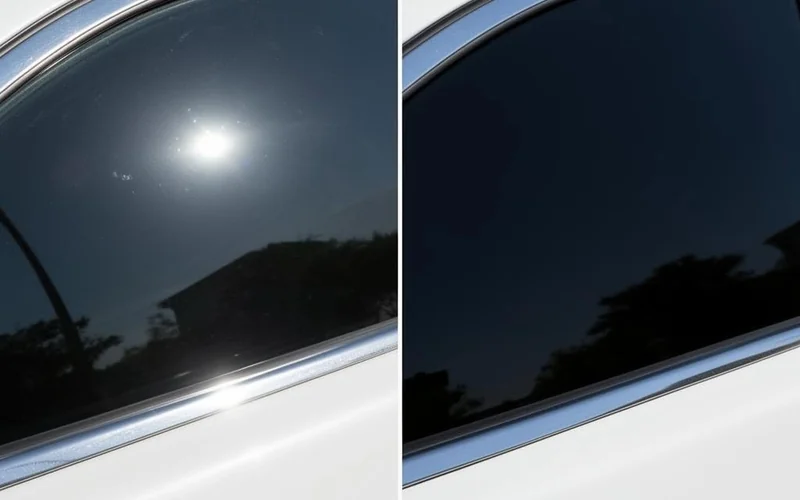
A quieter sign is reduced heat rejection, since a cabin that feels hotter than before may point to aged film.
Bubbling tends to spread, so early replacement avoids a patchy appearance.
Does Installation Quality Change How Long Tint Lasts?
Installation quality changes film life significantly. Madico notes that do-it-yourself installs will not always last as long as a professional job.
Clean glass, careful edge sealing, and proper curing all protect the adhesive bond. Dust trapped under film creates weak points where bubbles can start.
A written warranty from a professional shop also adds recourse that a do-it-yourself kit lacks.
How Long Does New Tint Need to Cure?
Tint needs a curing period after installation while the adhesive bonds and moisture evaporates. The shop’s guidance says to avoid lowering the tinted windows during that initial period.
Exact timing depends on the film, temperature, and humidity, so the installer’s instructions should be followed. One manufacturer notes that new window tint may look hazy or have moisture bubbles for up to ten days.
How Should Tint Be Cleaned and Cared For?
After curing, a soft cloth and a tint-safe, non-abrasive cleaner on the glass make a dependable routine.
Abrasive pads, harsh chemicals, and sharp tools can scratch or lift film, and they may affect warranty coverage. Seat belts and cargo that rub the glass can also damage edges.
Parking in shade and using a windshield sunshade reduce heat load on the glass, which supports longer film life.
When Is Replacement Worth It, and What Does Removal Involve?
Replacement makes sense once film bubbles, peels, or turns purple, because those defects only worsen. Failed film is removed first, and the leftover adhesive is cleaned off the glass.
Rear windows need extra care, since defroster lines can be damaged by rough removal. Removal is often quoted as a separate line item.
Anyone replacing old film under a warranty should check coverage first, because a claim may cover part of the cost.
Window Tint Lifespan Problems at a Glance
The table below links each warning sign to its likely cause.
| Warning Sign | Likely Cause | Typical Next Step |
|---|---|---|
| Bubbles | Adhesive failure from heat, moisture, or poor installation | Replacement and warranty check |
| Peeling edges | Adhesive lifting at the glass edge | Inspect early, then replace |
| Purple color | Dye breakdown from ultraviolet exposure | Replace with carbon or ceramic |
| Cracking | Aged, brittle film | Replacement |
| Haze | Film degradation or trapped moisture | Finish curing, then inspect |
| Hotter cabin | Reduced heat rejection from aged film | Compare against a new data sheet |
Early inspection keeps small defects from becoming full replacements.
Which Tint Lasts Longest in Davenport, FL?
Dyed film lasts about three to five years, carbon six to ten, and ceramic eight to ten or more. Florida heat and installation quality can shift every figure, and a lifetime warranty helps only when its terms are clear.
Drivers comparing film types can read ceramic vs carbon window tint in Davenport before booking. Dark Matter Tint will review each film option and its warranty terms for the vehicle.
Choosing a film that lasts starts with clear warranty terms. Dark Matter Tint in Davenport, FL will review ceramic and carbon options and answer lifespan and warranty questions. Call 863-313-1633 to book a window tint consultation for the vehicle today.
Frequently Asked Questions
How long does car window tint last?
Most guides place dyed tint at three to five years, carbon at six to ten, and ceramic at eight to ten or more. Florida heat, installation quality, and film grade can shift those numbers, so ask for the full warranty terms in writing and follow the curing and cleaning instructions carefully.
How long does ceramic window tint last in Florida?
Ceramic tint is generally rated at eight to ten years or more, and it resists fading better than dyed film. Intense sun and humidity can shorten any film, so professional installation, careful cleaning, and a written warranty matter as much as the film type itself in Central Florida.
Why is my window tint bubbling or turning purple?
Bubbling usually means the adhesive is failing from heat, moisture, or poor installation. Purple color comes from dye breakdown under ultraviolet light, especially in low-quality dyed film. Both defects worsen over time, so check the warranty and plan a replacement soon before the damage spreads.
Does a lifetime tint warranty really last forever?
A lifetime warranty lasts as long as its written terms say, and it usually covers defects like bubbling, peeling, cracking, and fading but not physical damage or improper care. Ask who backs the claim, if it transfers to a later owner, and what proof is required to file a claim later.
How long should I wait before cleaning or rolling down new tint?
Follow the installer’s instructions, since cure time depends on the film, temperature, and humidity. Avoid lowering tinted windows during the initial curing period, expect minor haze or moisture pockets, and clean only with a soft cloth and non-abrasive, tint-safe cleaner after curing.
Can old window tint be removed and replaced?
Old tint can be removed and replaced. The film is peeled off and the leftover adhesive is cleaned from the glass, with extra care around rear defroster lines. Removal is often quoted as a separate line, so ask for a written estimate and check any warranty coverage before booking.